
Quick Summary
Natural flavor enhancers for vegan meals include mushrooms, miso, soy sauce or tamari, black garlic, smoked paprika and chili. Each adds a different kind of depth, so the cook should first identify whether a dish lacks umami, acidity or contrast, then add enhancers in small amounts and taste as they go.
- Start with about half a teaspoon of a concentrated enhancer per serving and taste before adding more.
- Add miso or soy sauce near the end of cooking, since they are salty.
- Bloom dried spices in oil for 30 to 60 seconds before adding liquid.
- Use tamari as a gluten-free replacement for soy sauce.
- Check labels, since natural products may still contain added salt or sugar.
Table of Contents
- Why Vegan Meals Often Taste Flat and What Fixes It
- A Flavor-Building Framework by Taste Dimension
- Umami Flavor in Plant-Based Dishes: Whole-Food Sources
- Spices for Plant-Based Cooking and Seasoning Blends
- Garlic, Onion, Smoke and Chili Heat
- Vegan Seasoning Powder and Vegan Sauces for Cooking
- Amounts, Timing, Substitutions and Allergen-Aware Choices
- Building Your Flavor Kit for Vegan Cooking Starts Here
- Frequently Asked Questions
Vegan meals often taste flat for a simple reason: many of the ingredients that give meat, cheese and stock their savoriness are missing, so the cook has to build depth on purpose. The good news is that this is a solvable problem. Mushrooms, miso, soy sauce, black garlic, smoke and a few well-chosen spices can each add a different kind of flavor, and knowing which one to reach for is most of the skill.
Flat food usually has one of three problems: too little savory depth (umami), too little brightness (acid), or too little contrast (salt, sweetness, heat). A dish that is missing one of these will taste bland even when every ingredient is good. Start by tasting your dish and asking which element is absent before adding anything.
Why Vegan Meals Often Taste Flat and What Fixes It
Plant-based cooking leans on vegetables, grains and legumes, which carry less of the glutamate-rich savoriness that animal foods provide. A dish built only on onions, beans and rice will often need a deliberate source of depth. The fix is not one magic ingredient but a small set of enhancers used in the right amounts.
Watch out: adding a strong enhancer at the start of cooking can make a dish taste harsh or over-salted once the liquid reduces. Add concentrated enhancers in stages and taste as you go.
A Flavor-Building Framework by Taste Dimension
Most guides list flavor enhancers; fewer explain how to combine them. A repeatable method is to check seven taste dimensions in order, adjust one at a time, and taste between each addition. The seven dimensions are salt, umami, acidity, sweetness, heat, aroma, and richness.
A practical sequence for a pot of beans, a grain bowl, or a sauce:
- Salt: add a small pinch, stir, and taste. For a four-serving dish, start with about 1/4 teaspoon of fine salt and add in 1/4-teaspoon increments.
- Umami: add 1/2 to 1 teaspoon of miso or soy sauce per serving, or a tablespoon of tomato paste, and simmer for two to three minutes so it dissolves and melds.
- Acidity: finish with 1 teaspoon of vinegar or citrus juice per serving, added off the heat so the brightness stays forward.
- Sweetness: use only enough to round sharp edges, such as 1/2 teaspoon of maple syrup or a tablespoon of caramelized onion per serving.
- Heat: add chili flakes or fermented chili sauce in 1/4-teaspoon increments; heat builds as it sits, so stop just before you think it is enough.
- Aroma: add fresh herbs, citrus zest, or toasted spices at the end, since volatile aromas cook off.
- Richness: add 1 to 2 teaspoons of tahini, olive oil, or coconut milk per serving to make a lean dish feel fuller.
A common pattern is that home cooks over-season one dimension and under-season the others. If a dish tastes harsh, the problem is usually too much salt or heat and too little sweetness or richness. If it tastes dull but salty enough, add acid before adding more salt.
Watch out: adding a strong enhancer at the start of cooking can make a dish taste harsh or over-salted once the liquid reduces. Add concentrated enhancers in stages and taste as you go.
Umami Flavor in Plant-Based Dishes: Whole-Food Sources
Umami is the savory depth that makes a dish feel complete. Several whole-food sources supply it without any processing beyond cooking or fermenting.
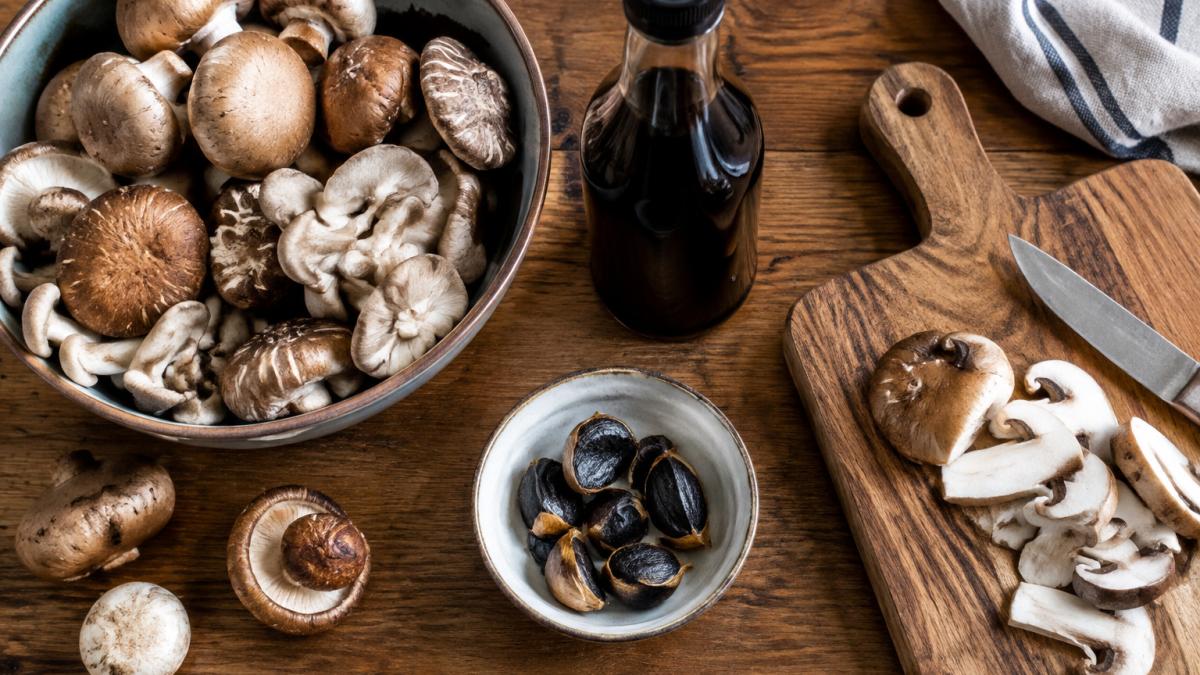
!Overhead view of a home cook's wooden table with mushrooms, a bottle of soy sauce and a small dish of black garlic beside a cutting board
Mushroom, Miso, Soy Sauce and Black Garlic
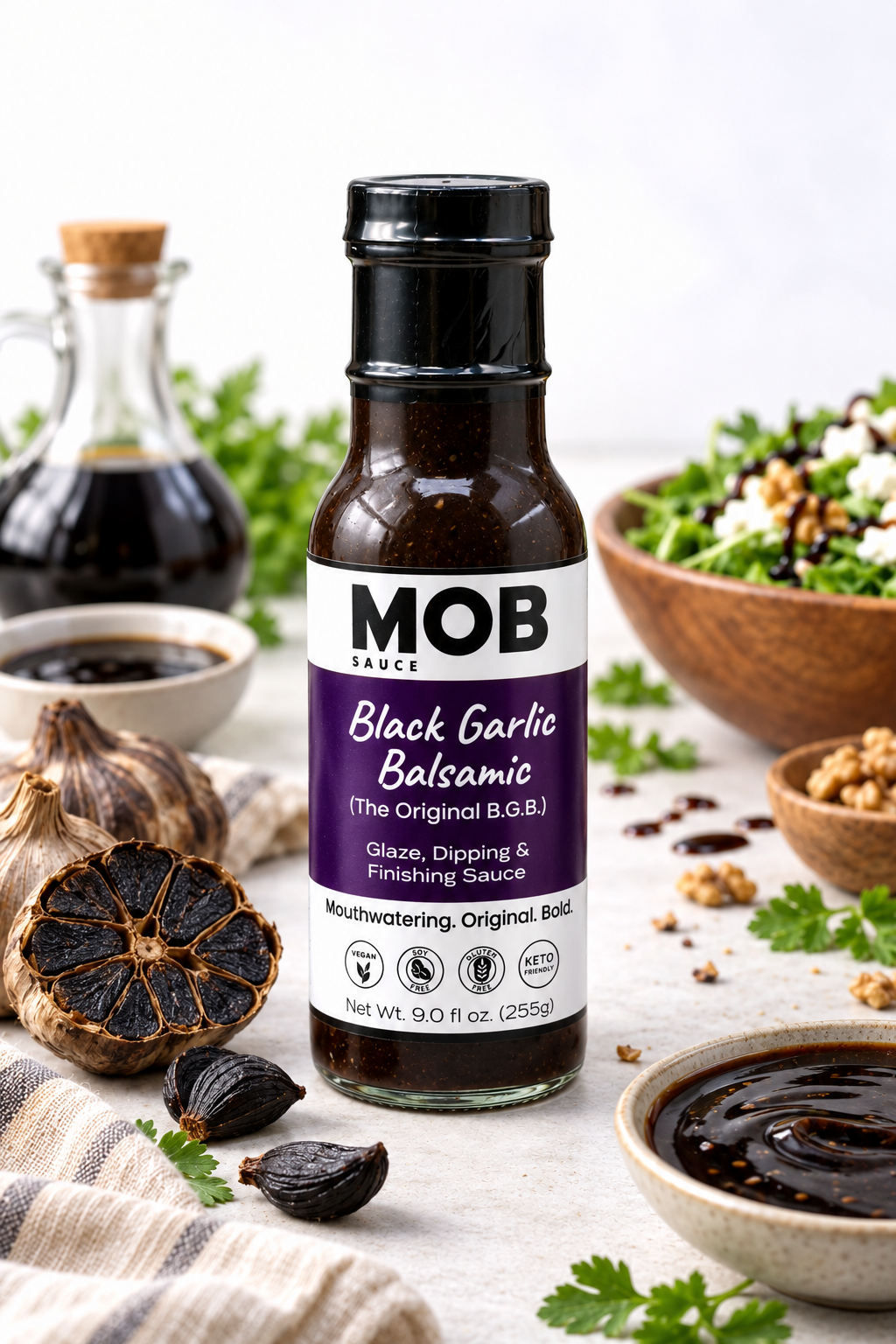
Dried or sautéed mushrooms, especially shiitake, add a meaty, earthy depth to stews and sauces. Miso, a fermented soybean paste, brings a salty, rounded savoriness that works well in dressings and braises. For a deeper guide to balancing these bold savory and umami flavors, read How to Balance Bold Asian Flavors in Vegan Cooking. Soy sauce, or tamari for a gluten-free option, adds salt and depth in small amounts. Black garlic is aged garlic with a sweet, molasses-like flavor rather than a sharp one, and it suits both roasted vegetables and dressings. If you want that sweet, caramelized depth in a sauce, try the Black Garlic Balsamic Sauce.
Whole-Food Versus Processed Flavor Enhancers
Whole-food sources such as mushrooms and miso add flavor along with texture and nutrients. Processed enhancers concentrate flavor into a powder or extract and are easy to overuse. Both have a place. When you use a processed enhancer, lower the salt elsewhere in the recipe and start with a half-measure.
Spices for Plant-Based Cooking and Seasoning Blends
Spices add aroma and contrast that enhancers alone cannot. Build a small set of versatile spices rather than buying many single-use ones. A workable starter set is smoked paprika, ground cumin, ground coriander, chili flakes, dried oregano, ground turmeric, and black pepper.
Use them in two ways. First, bloom ground spices in oil over medium heat for 30 to 60 seconds before adding liquid; this releases fat-soluble aromas and makes the spice taste fuller. Second, add whole spices such as cumin seed or fennel seed at the start and toast them until fragrant, about one minute, then crush or leave whole.
Starting amounts per four servings: 1 teaspoon smoked paprika, 1 teaspoon ground cumin, 1/2 teaspoon ground coriander, 1/4 to 1/2 teaspoon chili flakes, and 1 teaspoon dried oregano. Add dried herbs early in cooking and fresh herbs at the end, since heat dulls fresh aromas.
Simple blends you can mix yourself:
- Smoky blend: 2 parts smoked paprika, 1 part ground cumin, 1 part garlic powder, 1/2 part black pepper.
- Warm earthy blend: 2 parts ground cumin, 1 part ground coriander, 1/2 part ground turmeric, 1/2 part cinnamon.
- Herb blend: 2 parts dried oregano, 1 part dried thyme, 1 part dried basil, 1/2 part chili flakes.
Store blends in a sealed jar away from light and heat, and use within about six months, since ground spices lose aroma over time. Label the jar with the date.
Watch out: ground spices burn quickly in hot oil; keep the heat medium and stir constantly during blooming.
Garlic, Onion, Smoke and Chili Heat
Garlic and onion, fresh or as powder, form the base of most savory dishes. Smoked paprika and liquid smoke add a grilled quality to plant-based meat alternatives and beans. Chili, from flakes or a fermented sauce, adds heat that lifts the other flavors. Add smoke and chili gradually, since both are easy to overdo.
Vegan Seasoning Powder and Vegan Sauces for Cooking
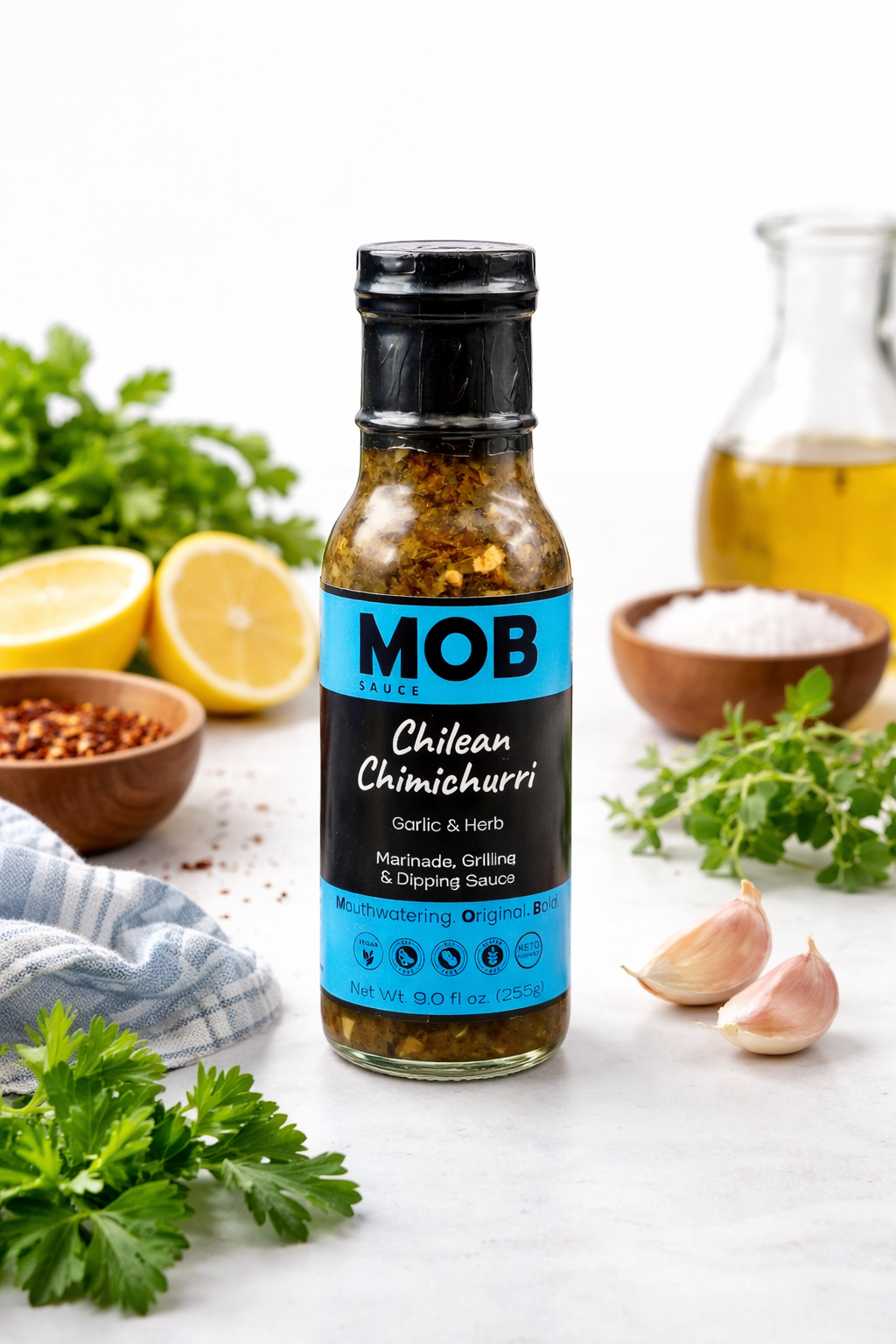
Vegan seasoning powders and sauces save time because they combine several dimensions at once. A good sauce can marinate, finish and season in one step. MOB Chilean Chimichurri Sauce is naturally sugar-free and built on garlic and herbs, so it brightens grilled plant-based proteins, potato salad or rice without added sweetness. MOB Sweet Chili Lemongrass Sauce is zesty and savory, with a mild heat, and works as a marinade, a stir-fry finish or a dipping sauce. For bold, savory vegan flavor, you can buy the Chilean Chimichurri Sauce directly. Check each label for allergens: the Sweet Chili Lemongrass Sauce contains soy, and the Chilean Chimichurri Sauce is certified nut-free and gluten-free. For more ideas on sauces and seasonings for plant-based cooking, browse the sauces collection.
Amounts, Timing, Substitutions and Allergen-Aware Choices
Start with about half a teaspoon of a concentrated enhancer per serving and taste before adding more. Add salt-heavy enhancers such as miso or soy sauce near the end of cooking, and add dried spices early so they bloom in oil. Acid and fresh herbs go in at the finish, since heat dulls them.
Substitutions matter for allergen-aware cooking. Tamari replaces soy sauce for a gluten-free option. Tahini can replace nut-based creaminess. Always read labels, since a product that is nut-free may still contain sesame or soy.
Watch out: many "natural" flavor products still contain added salt or sugar, so check the label before assuming a product fits a low-sodium or low-sugar diet.
The article gives the following practical guidance on amounts, timing and allergen checks for flavor enhancers.
| Item | Value | Note |
|---|---|---|
| Concentrated enhancer, starting amount | About 1/2 teaspoon per serving | Taste before adding more |
| Miso or soy sauce, timing | Add near the end of cooking | Salty, so add late |
| Dried spices, timing | Add early | Bloom in oil |
| Acid and fresh herbs, timing | Add at the finish | Heat dulls them |
| Soy sauce substitute | Tamari | Gluten-free option |
| Sesame Satay Sauce allergens | Contains soy (as tamari) | Certified nut-free and gluten-free |
| Hidden additives | Added salt or sugar | Check labels |
Building Your Flavor Kit for Vegan Cooking Starts Here
A practical starting kit covers each taste dimension with one or two items:
- Savory: miso, tamari, dried mushrooms, black garlic
- Acid: rice vinegar, lemon, a fermented chili sauce
- Sweet: a little maple or date, caramelized onion
- Smoke and heat: smoked paprika, chili flakes, liquid smoke
Add a ready-made sauce such as MOB Chilean Chimichurri Sauce or MOB Spanish Tahini Romesco Sauce to cover several dimensions at once. Start with a small kit, cook a few dishes, and expand only when you find a gap in your flavor. You can explore more options in the sauces collection.
USDA FoodData Central nutrient database
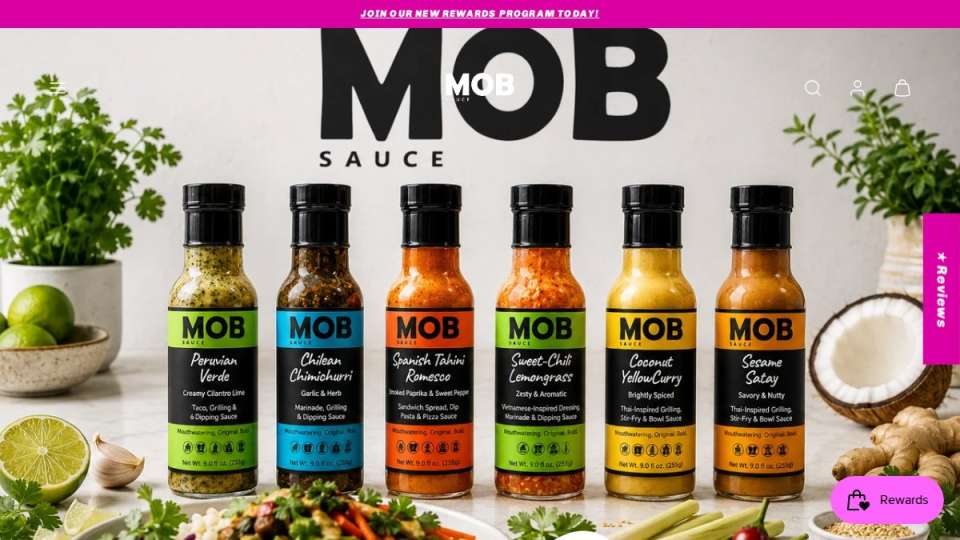
Build the flavor kit once, and every vegan dish you cook gets easier. Shop the sauces collection to find ready-made options for your next meal.
Frequently Asked Questions
What natural ingredients add umami to vegan meals?
Mushrooms (especially dried shiitake), soy sauce or tamari, miso, nutritional yeast, tomato paste and black garlic all add savory depth to plant-based cooking. Black garlic is sweet and molasses-like rather than sharp, so it suits dressings and roasted vegetables. Combining two sources, such as mushroom with tamari, usually tastes rounder than using either alone. Start with small amounts and adjust, because too much soy sauce can overwhelm a delicate dish.
Which herbs and spices work best in plant-based cooking?
Smoked paprika, cumin, garlic and onion powder, oregano, thyme and rosemary cover most savory dishes. Smoked paprika and a little liquid smoke suit grilled or barbecue-style plant-based meat alternatives. Fresh parsley, basil or chimichurri-style herbs brighten dishes at the end of cooking. Add dried spices early so they bloom in oil, and add fresh herbs late to keep their flavor.
Are all seasoning blends suitable for vegans?
No. Some seasoning blends contain dairy powders such as whey or milk solids, or animal-derived flavorings, and some use anti-caking agents or sugar that vegans may avoid. Check the ingredient list for these items, and look for a vegan label where available. Plain single-ingredient spices are generally safe, but blends can hide surprises, so read the label each time you buy.
How do you balance salty, sour, sweet, and savory flavors in vegan dishes?
Taste after each addition and adjust one dimension at a time. If a dish tastes flat, add salt or soy sauce first, then acid such as lemon juice or rice vinegar to lift it. A small amount of sweetness, from maple syrup or the natural sugars in roasted vegetables, rounds out sharp flavors. Savory depth from umami sources usually makes the final difference.
How much vegan seasoning powder should I use?
Start with about half a teaspoon per serving for most vegan seasoning powders and adjust from there. Because blends are concentrated, it is easy to overdo salt and heat. Add it toward the end of cooking, taste, and add more as needed. For sauces, a tablespoon of MOB Sweet Chili Lemongrass Sauce works well as a dipping sauce or marinade, while MOB Chilean Chimichurri Sauce suits finishing grilled plant-based proteins.
Can vegan sauces be used for allergen-friendly cooking?
Yes, provided you check each label for your specific allergens. The MOB Sweet Chili Lemongrass, Sesame Satay, Spanish Tahini Romesco and Chilean Chimichurri sauces are plant-based with no dairy or egg. The Sweet Chili Lemongrass and Sesame Satay sauces contain soy, and the Spanish Tahini Romesco sauce contains sesame. Choose products that match your household's restrictions and read each label before serving.

