Last Updated: October 26, 2026
Quick Summary
Balance bold Asian flavors in vegan cooking by adjusting five tastes, salty, sour, sweet, spicy, and umami, until no single note dominates. Build savory depth with plant-based umami ingredients like dried shiitake mushrooms, miso, tamari, and tomato paste, then taste and adjust one lever at a time using the three-pass method.
- Taste and adjust one lever at a time, three passes total, then stop.
- Replace fish sauce with 3 parts tamari, 1 part rice vinegar, 1 part mushroom liquid, and a pinch of sugar.
- Fix a too-salty sauce by diluting with unsalted stock or water, never more soy sauce.
- Press tofu for at least 15 minutes so it sears instead of steaming.
- Add garlic and ginger near the end and stir 30 to 60 seconds until fragrant.
Table of Contents
- Why Bold Asian Flavors Fall Flat in Vegan Cooking
- How to Balance Flavors in Cooking: A Repeatable Tasting Framework
- Vegan Umami Ingredients That Replace Fish Sauce and Meat Stock
- The Best Vegan Fish Sauce Substitute for Stir-Fries and Marinades
- How to Fix a Sauce That Is Too Spicy, Salty, or Sweet
- Regional Differences: Seasoning Across Asian Cuisines
- Building a Balanced Stir-Fry: Vegetables, Tofu, and Sauce in Stages
- Stock Your Kitchen With Clean-Label Vegan Sauces
- Frequently Asked Questions
Why Bold Asian Flavors Fall Flat in Vegan Cooking
Most plant-based stir-fries fail for one reason: they lack the savory depth that fish sauce and meat stock normally provide. According to Harvard's T.H. Chan School of Public Health guide to umami, umami is the fifth taste, and it comes from glutamate-rich ingredients, not from meat itself.
At MOB Sauce, we build every recipe around that idea: deep, savory flavor from plants alone, with the right ingredients and a simple way to balance them.
A stir-fry tastes flat when it leans on only one note, all salt, or all heat. The fix is not more sauce. The fix is balance.
Below, we'll show you how to taste, adjust, and repeat until a dish sings.
How to Balance Flavors in Cooking: A Repeatable Tasting Framework
Balancing flavors means adjusting five basic tastes until no single one dominates, so salty, sour, sweet, spicy, and umami all show up without any one shouting over the rest.
You don't need a chef's palate, just a system you can repeat.
The Five Levers: Salty, Sour, Sweet, Spicy, Umami
Think of these as five dials you can turn up or down:
- Salty: soy sauce, tamari, sea salt
- Sour: rice vinegar, lime juice, tamarind
- Sweet: cane sugar, maple syrup, coconut milk
Each lever fixes a specific problem. A dish tastes dull? Add umami. Too heavy? Add sour. Too sharp? Add a touch of sweet.
Taste, Adjust, Repeat: The Three-Pass Method
The three-pass method is a simple loop: taste, adjust one lever, taste again. Do this three times and stop.
- First pass: Taste the base. Add salt and umami first.
- Second pass: Balance with sour and sweet.
- Third pass: Fine-tune heat and finish with aroma.
Each addition changes the whole dish: salt makes sour pop, sweet softens heat. Small, staged adjustments keep you in control.
Watch out: adding three fixes at once is the most common mistake. You lose track of what worked, and the dish drifts.
Vegan Umami Ingredients That Replace Fish Sauce and Meat Stock
Vegan umami ingredients are plant foods rich in natural glutamates that deliver savory depth without fish sauce or meat stock, so meat-free cooking tastes full instead of thin.
The USDA FoodData Central database lists glutamate content across common foods, and several plant sources rank high. Here's what we reach for:
- Dried shiitake mushrooms: soak and use the liquid as stock
- Tomato paste: concentrated, deep, and cheap
- Miso: fermented soybean paste with rounded savoriness
A common mistake is skipping the soaking liquid, that mushroom water is where much of the flavor lives. Save it as your base.
If you want a curated list of ready-made options, our guide to the best vegan nut-free stir fry sauce covers clean picks that fit nut-free and gluten-free diets.
The Best Vegan Fish Sauce Substitute for Stir-Fries and Marinades
The best vegan fish sauce substitute is tamari, rice vinegar, and a pinch of sugar, balanced with mushroom or seaweed stock. It copies fish sauce's salty-sour-savory profile without any fish.
Here's a quick ratio we use:
- 3 parts tamari
- 1 part rice vinegar
- 1 part mushroom soaking liquid
Whisk it together and taste. It should be salty first, then sour, then savory. Adjust one part at a time.
For stir-fries and marinades, this blend holds up to high heat and coats tofu evenly. For a bottled shortcut, our Asian Sauce Trio Low Sugar is plant-based, certified gluten-free, and certified nut-free, so it works for mixed-diet households.

How to Fix a Sauce That Is Too Spicy, Salty, or Sweet
Fixing an over-seasoned sauce depends on which lever went too far.
- Too spicy: add coconut milk, a spoon of tahini, or more sweet and sour
- Too salty: dilute with unsalted stock or water, then add sour and sweet
- Too sweet: add rice vinegar, lime, or a splash of tamari
The trick is dilution before correction: a splash of water resets a too-concentrated sauce, then you re-taste and adjust.
Watch out: never fix a salty sauce by adding more soy sauce "for depth." That deepens the problem.
When a sauce goes too far in one direction, match the problem to its correction.
| Problem | Fix |
|---|---|
| Too spicy | Add coconut milk, tahini, or more sweet and sour |
| Too salty | Dilute with unsalted stock or water, then add sour and sweet |
| Too sweet | Add rice vinegar, lime, or a splash of tamari |
| Too sour | Add a little sugar and salt |
| Too flat | Add umami, not more salt |
Regional Differences: Seasoning Across Asian Cuisines
Seasoning shifts across Asian cuisines, and knowing the pattern helps you balance any dish. The same five levers get weighted differently by region, and the ingredients carrying each lever change too, the specificity most vegan Asian cooking guides skip, and the fastest way to make a dish taste like it comes from somewhere rather than generically "Asian."
MOB Asian Sauce Bundle: Low-Sugar Stir-Fry Sauces →
Here is how the five levers map onto five major cuisines, with the plant-based ingredients that carry each note.
Thai: Sour, Sweet, Salty, and Heat in the Same Bite
Thai cooking is the most demanding balance act. A good Thai-inspired sauce hits sour, sweet, salty, and spicy almost simultaneously: lime juice or tamarind for sour, palm sugar or cane sugar for sweet, soy sauce or tamari for salty, and fresh bird's eye chili for heat. Fish sauce normally supplies the salty-umami backbone; in vegan cooking, a tamari-and-mushroom blend (see above) fills that role.
Vietnamese: Bright, Herbal, and Clean
Vietnamese cooking favors bright, fresh notes over a savory base. Lime juice, rice vinegar, fresh herbs (cilantro, mint, Thai basil), and lemongrass carry the top notes; soy sauce or mushroom stock supplies the base. The balance leans sour and aromatic rather than sweet: sharp and herbal first, savory second, only faintly sweet.
Chinese: Savory Depth From Soy and Fermentation
Chinese cooking builds savory depth from soy sauce, fermented bean paste (doubanjiang), hoisin, and black vinegar. The levers weight toward salty and umami, with sour from black vinegar and heat from chili oil as accents rather than co-equal notes. In vegan cooking, fermented bean products and dried mushrooms replace meat-stock depth. A Chinese-inspired stir-fry sauce leads with soy and fermented paste, then gets a little sugar to round the salt and a splash of black vinegar to lift the finish.
Japanese: Quiet, Clean Umami
Japanese cooking prizes clean umami from kombu, shiitake, and miso, with salt from soy sauce and sweetness from mirin or a little sugar. The balance is quieter than Thai or Chinese: umami leads, salt supports, sour and heat are minimal or absent. A Japanese-inspired bowl wants restrained seasoning so the ingredients read.
Korean: Fermented Heat and Deep Savoriness
Korean cooking brings fermented heat and deep savoriness from gochujang (fermented chili paste), gochugaru (chili flakes), doenjang (fermented soybean paste), and garlic. The levers lean spicy and umami, with sweet from sugar or fruit puree and sour from rice vinegar as balancing notes. Gochujang already combines heat, sweetness, and fermented savoriness, so a Korean-inspired sauce needs less added sugar than a Thai one.
How to Use the Pattern
Once you spot the pattern, match your seasoning to the dish: a Thai-inspired sauce wants more lime and chili, a Japanese-inspired bowl wants quieter umami, a Chinese-inspired stir-fry wants fermented paste and black vinegar.
This is where a good bottled sauce saves time. Our Sweet Chili Lemongrass Sauce is Vietnamese-inspired, bright with lemongrass and garlic, and low in sugar.

Building a Balanced Stir-Fry: Vegetables, Tofu, and Sauce in Stages
A balanced stir-fry comes from cooking in stages, not dumping everything in at once. Each ingredient goes in when it's ready, and the sauce goes in last to keep its flavor bold.

Stage 1: Prep Everything First
Chop vegetables, press and cube tofu, mince garlic and ginger, and mix your sauce, stir-frying moves fast, so there's no time to chop once the wok is hot. Press tofu for at least 15 minutes under a weighted plate or tofu press; wet tofu steams instead of searing. Cut vegetables into similar-sized pieces so they cook at the same rate, with firm ones like carrots and broccoli smaller than leafy greens.
Stage 2: Sear the Tofu, Then Set It Aside
Get the tofu golden and set it aside so it stays crunchy. Use a hot pan with a high-smoke-point oil and don't crowd the pieces, crowding drops the temperature and the tofu releases water instead of browning. Sear in batches if needed; the goal is a browned crust, not a cooked-through interior, since the tofu finishes in the sauce later.
Stage 3: Cook Vegetables in Stages
Add the hardest vegetables like carrots and broccoli first and give them a head start, then softer ones like bell peppers and snap peas, and finally leafy greens like bok choy or spinach in the last minute. This keeps everything at the right texture instead of turning the soft vegetables to mush while the firm ones are still raw.
Stage 4: Add Aromatics Near the End
Garlic and ginger go in near the end so they don't burn. Burnt garlic turns bitter and will throw off the whole balance. Add them after the firm vegetables are nearly done, and stir constantly for 30 to 60 seconds until fragrant. If the pan is too hot, pull it off the heat briefly; aromatics need heat to release their oils but not so much that they scorch.
Stage 5: Finish With Sauce, Then Taste and Adjust
Add the sauce at the very end, toss to coat evenly, and serve, heat dulls fresh flavor, so adding sauce last keeps it bright and bold. Before serving, run the three-pass tasting loop from earlier on the finished dish:
- Taste the base. Is the savory note strong enough? If not, add a small amount of umami (miso, mushroom stock, or a little tamari) rather than more salt.
- Balance with sour and sweet. If the dish tastes heavy, add a splash of rice vinegar or lime. If it tastes sharp, add a pinch of sugar.
- Fine-tune heat and aroma. Add chili only after the other levers are balanced, because heat can mask an unbalanced dish. Finish with fresh herbs or a drizzle of toasted sesame oil for aroma.
The first taste after saucing is usually close but not quite there. Make one small adjustment, taste again, and stop when no single note dominates, adding three fixes at once is the most common mistake.
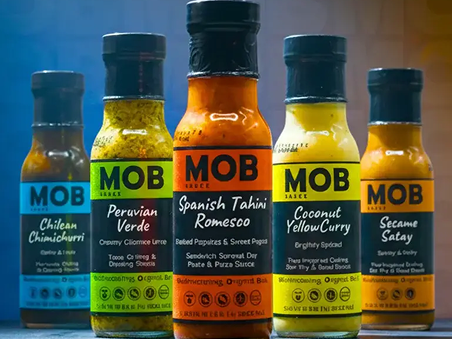
For a Thai-inspired finish, our Coconut Yellow Curry Sauce is soy-free, certified gluten-free, and certified nut-free. Add it at the end of the stir-fry to keep the flavor bold. For a nutty, grilled note, the Sesame Satay Sauce uses toasted sesame oil and tahini for a creamy texture, and it's nut-free despite the name.

Stock Your Kitchen With Clean-Label Vegan Sauces
A clean-label sauce is made with recognizable whole-food ingredients and no artificial additives. Keeping a few on hand makes balanced vegan cooking fast on busy nights.
When you shop, check the label for:
- Certifications: gluten-free and nut-free claims you can verify
- Oils: no canola or soy oil
- Sweeteners: no artificial sweeteners
MOB Sauce is certified through the Gluten-Free Food Program, uses no canola oil, and is made in small, hand-filled batches. Our sauces hold a 4.84 average rating from 56 verified reviews.
Before you buy, read our guide on how to identify clean label sauces so you know exactly what to check. Once you've stocked up, our guide to how to store artisanal vegan sauces explains how to keep them fresh after opening.
Frequently Asked Questions
How do you balance sweet, sour, salty, and spicy flavors in a vegan Asian dish?
Taste in passes rather than all at once. Start with salt from soy sauce or tamari, then add acid from rice vinegar or lime, a little sweetness, and heat from chili flakes or fermented chili sauce. Taste after each addition. If one note dominates, add a small amount of the opposite: acid cuts sweetness, sweetness softens heat, and salt rounds out sourness. This loop is the core of vegan cooking with bold Asian flavors, and it works whether you are making a stir-fry, a noodle bowl, or a dipping sauce.
What are the best vegan umami ingredients for Asian cooking?
Mushrooms, especially dried shiitake soaked in hot water, give a deep savory base. Tamari and miso add fermented depth, while toasted sesame oil and tahini bring a roasted, nutty note. Tomato paste and nutritional yeast work in a pinch. Kombu steeped in water makes a quick plant-based stock. Layer two or three of these rather than relying on one, and add them early so they have time to meld with garlic, ginger, and chili.
How can I tone down a sauce that is too spicy?
Fat, sweetness, and acid are your tools. Stir in a spoon of tahini or coconut milk to coat the palate, add a pinch of sugar or a splash of maple syrup, then brighten with lime or rice vinegar. Diluting with unsweetened coconut milk or stock also works if you have volume to spare. Serve over rice or noodles to spread the heat. Add these in small amounts and taste between each, because overcorrecting is harder to fix than undercorrecting.
What can I use instead of fish sauce in vegan Asian recipes?
Combine tamari or soy sauce with a squeeze of lime and a small amount of mushroom soaking liquid for a savory, salty, slightly funky substitute. Miso thinned with water works in marinades, and seaweed-based seasonings add a briny note. For convenience, a clean-label vegan sauce with tamari and fermented chili gives you salt, umami, and heat in one step. Adjust the quantity gradually, since these substitutes are often saltier than fish sauce.
Balancing bold Asian flavors in vegan cooking comes down to five levers and a simple tasting loop. It takes practice, but the payoff is real flavor without compromise. At MOB Sauce, we make that easier with plant-based sauces that are certified gluten-free, certified nut-free, and free of canola oil, all made in small hand-filled batches. Ready to cook with confidence? Get started with MOB Sauce and bring bold, balanced flavor to every stir-fry, marinade, and bowl.