
Table of Contents
- Best Vegan Nut-Free Stir Fry Sauce: Quick Comparison
- How We Chose These Nut-Free Stir Fry Sauces
- 1. Coconut Yellow Curry: Best Soy-Free Stir Fry Sauce
- 2. Sweet Chili Lemongrass: Best for Marinades and Dipping
- 3. Sesame Satay: Best Nutty Flavor Without Nuts
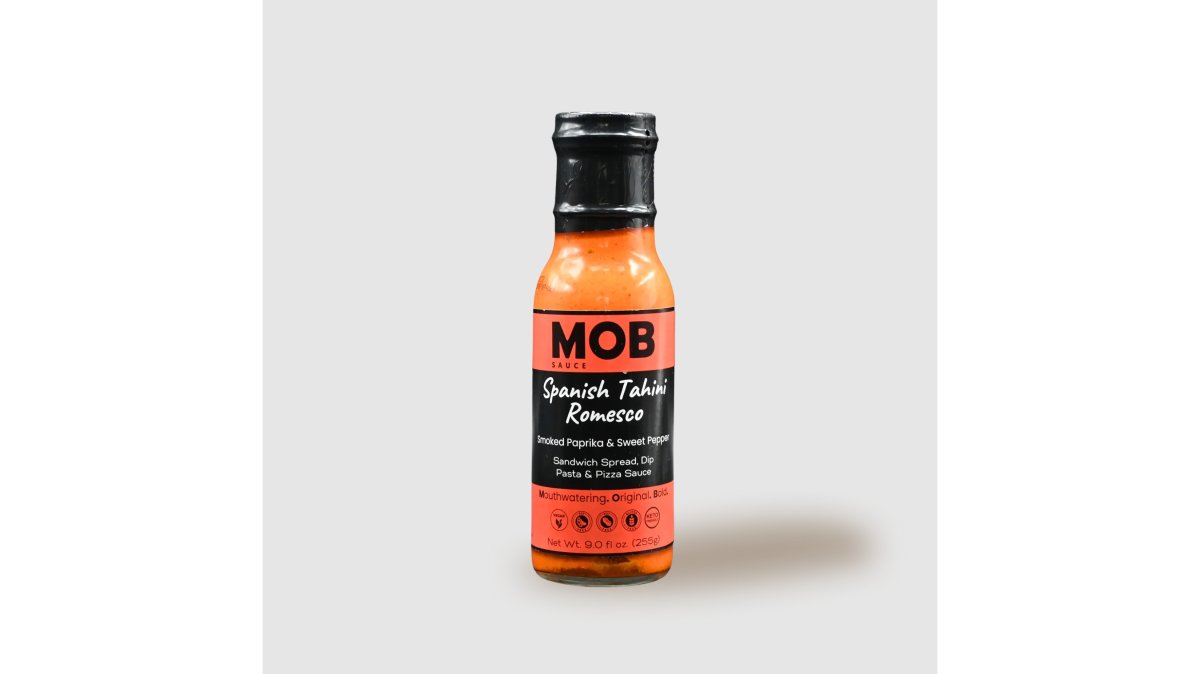
- 4. Spanish Tahini Romesco: Best Gluten-Free Vegan Stir Fry Sauce Alternative
- 5. Asian Sauce Bundle: Low-Sugar: Best Value for Weeknight Cooking
- Soy Sauce Substitutes for Stir Fry That Keep the Umami
- Frequently Asked Questions
Last Updated: October 21, 2026
Best Vegan Nut-Free Stir Fry Sauce: Quick Comparison
Finding a stir-fry sauce that is vegan, nut-free, and actually tastes like something is harder than it should be. Many bottles hide soy, gluten, or canola oil behind vague labels.
Below, we compare each pick on allergens, sugar, and best use.

The short answer: the best vegan nut free stir fry sauce depends on whether you need soy-free, gluten-free, or low-sugar. Coconut Yellow Curry covers soy-free and nut-free.

| Sauce | Price | Nut-Free | Soy-Free | Gluten-Free | Best For |
|---|---|---|---|---|---|
| Coconut Yellow Curry | $12.00 | Yes | Yes | Certified | Stir-fry and simmer |
| Sweet Chili Lemongrass | $12.00 | Yes | No (contains soy) | Certified | Marinades and dipping |
| Sesame Satay | $12.00 | Yes | No (contains soy) | Certified | Nutty flavor, dressings |
| Spanish Tahini Romesco | $12.00 | Yes | Yes | Certified | Pasta, pizza, rice |
| Asian Sauce Bundle | $33.00 | Yes | No (contains tamari) | Certified | Weeknight value |
How We Chose These Nut-Free Stir Fry Sauces
We started with one hard filter: certified nut-free, not just "may contain" fine print.
From there, we weighed four factors. First, allergen transparency: does the label state soy and gluten clearly? Second, oil quality: none of these use canola or soy oil.
A common mistake is trusting "vegan" as shorthand for "allergen-safe." Vegan sauces can still contain soy, wheat, or tree nuts.
How to Verify a Nut-Free Claim Before You Buy
A "nut-free" line on the front of a bottle is marketing. What matters is what the manufacturer can prove. Here is the checklist we apply, and the one you can use in the store:
- Look for a third-party certification, not a self-declared claim. Certifications such as a certified gluten-free program or a recognized nut-free certification mean an outside body has audited the facility. A brand-written "nut-free" badge does not.
- Read the "contains" line and the "may contain" line separately. "Contains: soy" is a declared ingredient. "May contain tree nuts" is a cross-contact warning. For a severe allergy, the second line matters as much as the first.
- Check for shared-equipment language. Phrases like "made on equipment shared with tree nuts" or "processed in a facility that also handles peanuts" tell you the risk is real even if the ingredient list is clean.
- Scan for hidden animal-derived ingredients in "vegan" sauces. Watch for honey, fish sauce, oyster sauce, and whey, all can appear in Asian-style sauces and all disqualify a bottle as vegan.
- Scan for hidden soy and gluten. Soy hides behind tamari, soy protein, and hydrolyzed vegetable protein. Gluten hides behind wheat-based soy sauce, malt vinegar, and some hoisin-style sauces.
- When in doubt, contact the manufacturer. A small-batch producer can usually answer a specific allergen question directly. A large one may only point you to the label.
Nut-Free vs. Sesame-Free vs. Soy-Free: Know Which One You Need
These three claims get used interchangeably in marketing, and they should not be. A sauce can be nut-free and still contain sesame (tahini, sesame oil, sesame paste). A sauce can be nut-free and soy-free but still contain gluten. Before you shop, decide which of these you actually need:
- Nut-free, no peanuts and no tree nuts (almond, cashew, walnut, pecan, pistachio, hazelnut, macadamia, Brazil nut).
- Sesame-free, a separate top allergen in many countries; check for tahini and sesame oil specifically.
- Soy-free, no soy sauce, tamari, soy protein, or soybean oil.
A final note on label checks: scan for "contains soy," "contains wheat," and "may contain tree nuts" before you buy any packaged sauce. Certification logos beat marketing claims every time. MOB Sauce lists every allergen on each product page so you can verify before you cook.
1. Coconut Yellow Curry: Best Soy-Free Stir Fry Sauce
Coconut Yellow Curry is the pick when you need soy-free and nut-free in the same bottle. It is Thai-inspired, lime-forward, and not spicy, which makes it safe for kids and picky eaters.
The sauce is low sugar at 2g per 2 Tbsp and keto-friendly. It carries certified gluten-free and certified nut-free status, with no soy oil or canola oil. The best way to use it: add it at the very end of a stir-fry, just before serving, then stir to combine.
Pros:
- Soy-free, nut-free, and gluten-free certified
- Low sugar and keto-friendly
- Works as a stir-fry sauce, dip, or simmer sauce
Cons:
- Lime-forward flavor may not suit dishes that need deep umami
- Best used as a finishing sauce, not a long marinade
2. Sweet Chili Lemongrass: Best for Marinades and Dipping
Sweet Chili Lemongrass brings Vietnamese-inspired brightness from fresh lemongrass, shallots, and garlic. It has a modest heat from fermented chili sauce and a savory, umami backbone.
This one is certified gluten-free and certified nut-free, with no canola or soy oil. It is low sugar at 2g per 2 Tbsp. Use it as a marinade for tofu or chicken, a finishing sauce for fried rice, or a dip for spring rolls and pot stickers.
Pros:
- Bright, complex flavor with real lemongrass
- Low sugar and certified gluten-free
- Versatile across marinades, dips, and noodles
Cons:
- Contains soy, so it is not suitable for soy-free diets
- Modest heat may be too much for very young children
3. Sesame Satay: Best Nutty Flavor Without Nuts
Satay usually means peanuts. Sesame Satay delivers the same savory, nutty profile using sesame instead, and it is certified nut-free. That makes it a genuine option for anyone avoiding tree nuts and peanuts.
It is Thai-inspired and certified gluten-free, with no canola or soy oil. Note that it contains soy via tamari. Use it as a finishing sauce for stir-fry, thin it with rice vinegar for a dressing, or serve it as a dip for fresh rolls.
Pros:
- Nutty satay flavor with no nuts
- Certified gluten-free and nut-free
- Doubles as a salad dressing when thinned
Cons:
- Contains soy (tamari)
- Contains sesame, which is a separate allergen for some people
4. Spanish Tahini Romesco: Best Gluten-Free Vegan Stir Fry Sauce Alternative
Romesco is the wildcard here, and that is the point. Spanish Tahini Romesco is a sweet, smoky roasted pepper sauce that works far beyond stir-fry. It is certified nut-free and certified gluten-free, with no soy oil or canola oil.
Kids tend to like it on grilled cheese, pasta, or as a pizza base. Mix it into rice for Spanish rice, or use it as a base for stuffed peppers.
Pros:
- Certified nut-free and gluten-free
- Sweet, smoky flavor kids accept easily
- Works as pasta sauce, pizza base, or rice mix-in
Cons:
- Contains sesame
- Not a traditional stir-fry flavor, so pair it with the right dish
5. Asian Sauce Bundle: Low-Sugar: Best Value for Weeknight Cooking
The Asian Sauce Bundle packs three low-sugar sauces at $33.00, which beats buying singles at $12.00 each. It is the practical choice for a household that cooks stir-fry several nights a week.

Every sauce in the set is certified gluten-free and certified nut-free, with no canola oil and no artificial sweeteners. The set does contain a small amount of cane sugar and gluten-free tamari, so it is not soy-free.
Pros:
- Best per-bottle value of the five
- Covers three flavor profiles in one order
- Certified gluten-free and nut-free across the set
Cons:
- Contains soy via tamari
- Not suitable for a soy-free household
Soy Sauce Substitutes for Stir Fry That Keep the Umami
Soy sauce is the hardest thing to replace in a stir-fry because it carries salt, color, and umami all at once.
Coconut aminos is the closest one-to-one swap.
Gluten-free tamari works for gluten-free diets but still contains soy, so it is not a soy-free option. If soy is the problem, skip it.
Vegetable broth plus rice vinegar gives you the savory base and the tang.
Nut-Free Thickening: Getting Body Without Peanut or Nut Butter
Most satay-style stir-fry sauces get their body from peanut butter or cashew cream. If you are cooking nut-free, you need a different mechanism. Here is how to build a glossy, clingy sauce without any nut input:
- Cornstarch slurry, 1 teaspoon cornstarch whisked into 2 teaspoons cold water per cup of liquid. Add at the end and simmer 30-60 seconds. It gives a clear, glossy finish and is the most neutral option.
- Arrowroot powder, use at the same ratio as cornstarch but avoid boiling hard afterward, or it thins out. Best for sauces you will serve warm rather than reheating.
- Tapioca starch, slightly stretchier texture, good for sauces that need to cling to noodles. Whisk cold before adding.
A common pattern is to combine one starch for gloss with one creamy element for body. For example: coconut aminos, rice vinegar, a splash of orange juice, a teaspoon of cornstarch slurry, and a spoon of sunflower seed butter gives you a nut-free sauce that behaves like a satay.
For a store-bought shortcut, a soy-free sauce like Coconut Yellow Curry already balances the umami, salt, and acid for you. That saves the guesswork on a weeknight.
Frequently Asked Questions
What are the best vegan nut-free sauces for stir-fry?
Look for a certified nut-free label, a plant-based ingredient list, and no canola or soy oil. Coconut Yellow Curry works for soy-free stir-fries, Sesame Satay gives a savory, nutty flavor without any nuts, and Sweet Chili Lemongrass adds heat for noodles and rice bowls. Each MOB Sauce bottle is certified nut-free, certified gluten-free, and made in small, hand-filled batches, so one bottle covers a household managing both a nut allergy and a vegan diet.
How can I check whether a stir-fry sauce is safe for a nut allergy?
Read the full ingredient list, then look for an explicit 'certified nut-free' statement rather than a vague 'may contain' note. Check for cross-contamination wording on the facility. A sauce that lists tree nuts or peanuts as an ingredient is out, even in small amounts. When a bottle only says 'natural flavors,' contact the maker and ask directly before serving it to anyone with a severe allergy.
What are good substitutes for soy sauce in stir-fry sauce?
Coconut aminos give a similar salty depth without soy or gluten. Gluten-free tamari keeps the soy flavor but removes the wheat. Vegetable broth mixed with rice vinegar and a pinch of salt works for a lighter sauce, and pineapple or orange juice adds sweetness and tang. If you avoid soy entirely, start with a soy-free base such as Coconut Yellow Curry and thin it with broth or citrus rather than adding soy sauce at the end.
Can I make a quick vegan stir-fry sauce without nuts at home?
Yes. Whisk together 3 tablespoons of coconut aminos or gluten-free tamari, 1 tablespoon of rice vinegar, 1 teaspoon of cornstarch, and a splash of vegetable broth. Add minced garlic, a little chili paste, and a squeeze of orange or pineapple juice for sweetness. Simmer for one minute until it thickens, then toss with tofu and vegetables. It takes about five minutes.
Are these sauces gluten-free as well as nut-free?
Every sauce in this list is certified gluten-free and certified nut-free, so they suit households juggling celiac disease and a nut allergy at once. Two of them, Sweet Chili Lemongrass and Sesame Satay, do contain soy from gluten-free tamari, so pick Coconut Yellow Curry or Spanish Tahini Romesco if soy is also off the table.
Stir-fry night should not require a spreadsheet of allergen checks. MOB Sauce makes it simpler with 100% plant-based sauces that are certified nut-free, certified gluten-free, and free of canola oil, all made in small hand-filled batches. Start with the Coconut Yellow Curry for soy-free stir-fry, or grab the Asian Sauce Bundle for weeknight value. Shop All Sauces and cook with confidence.