
Table of Contents
- Why Proper Storage Matters for Artisanal Vegan Sauces
- Vegan Sauce Storage After Opening: Immediate Steps
- How Long Do Vegan Sauces Last in the Fridge
- How to Freeze Vegan Sauces for Long-Term Storage
- How to Tell If Sauce Has Gone Bad
- Storage Tips for Different Vegan Sauce Formulations
- Maximizing Flavor and Freshness: Best Practices
- Conclusion
- Frequently Asked Questions
Last Updated: October 19, 2026
Why Proper Storage Matters for Artisanal Vegan Sauces
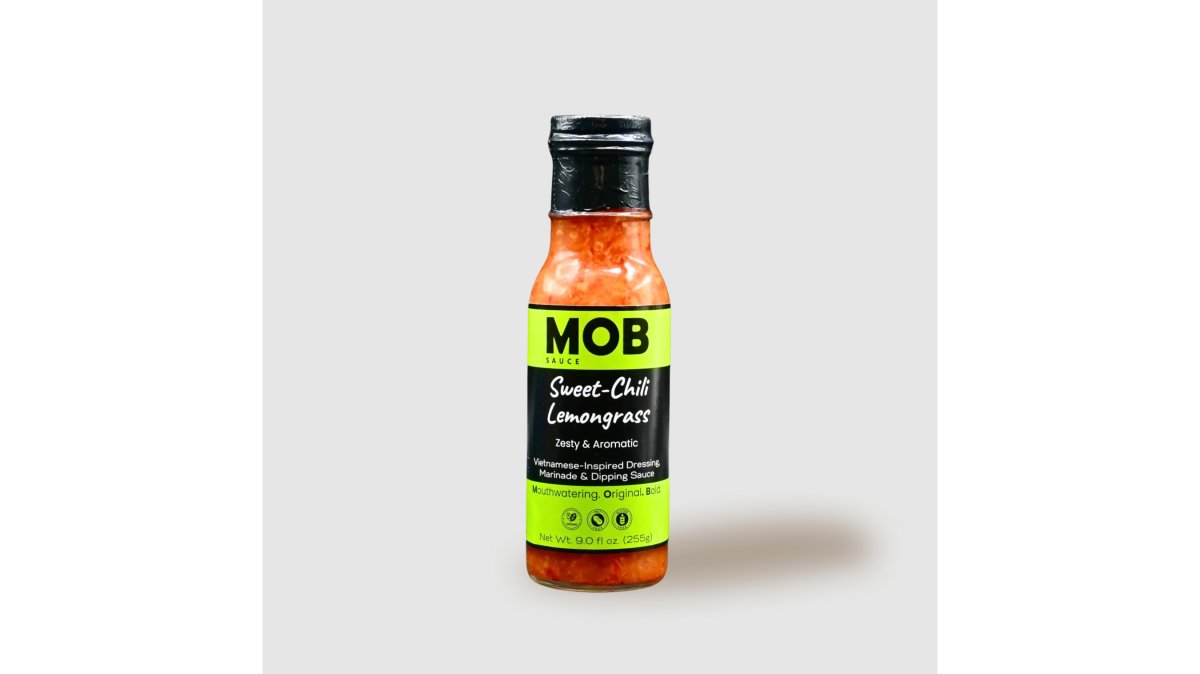
Properly storing artisanal vegan sauces keeps them fresh and prevents waste, whether you store artisanal vegan sauces in the fridge or freezer. Small-batch, hand-filled sauces like MOB Sauce's use whole food ingredients and no artificial preservatives, so they need careful handling once opened.

Whether a sauce tastes vibrant at week three or has turned bitter comes down to temperature control, container choice, and bottle handling.
Vegan Sauce Storage After Opening: Immediate Steps
Once opened, an artisanal vegan sauce holds quality for roughly one to four weeks depending on formulation. Your first steps after opening determine how well it holds up.

Choose the Right Container
Transfer sauce to an airtight container as soon as you finish using it. Glass jars with tight-sealing lids work best because they don't absorb flavors like plastic. If using the original bottle, make sure the cap seals completely.
Airtight containers block oxygen, the main culprit behind flavor breakdown and separation, and slow bacterial growth. A simple glass jar with a screw-top lid costs a few dollars and lasts for years.
Here's what works well:
- Glass mason jars with rubber-sealed lids
- Glass bottles with push-cap closures
- Small glass containers designed for meal prep
- The original bottle, if the seal is intact
Cool Before Refrigerating
Let sauce reach room temperature before refrigerating; a warm container creates condensation that spoils sauce faster.
Set the sealed container on your counter for 30 to 45 minutes after opening, then move it to the coldest part of your fridge, usually the back of the bottom shelf.
The timing matters:
- Room temperature to cool: 30-45 minutes
- Then move to fridge immediately
- Store at 35-40°F for best results
How Long Do Vegan Sauces Last in the Fridge
Shelf life depends on ingredients: oil-based sauces outlast herb-heavy ones, and fermented or acidic sauces outlast creamy blends.
Shelf Life by Sauce Type
Creamy sauces made with plant-based mayo or coconut cream last one to three weeks. They separate easily and can turn sour, so use these first if you have multiple sauces open.
Unopened vs. Opened Bottles
Storage location matters too:
- Unopened in pantry: 6-12 months
- Unopened in fridge: 8-14 months
- Opened in fridge: 1-4 weeks (varies by type)
How to Freeze Vegan Sauces for Long-Term Storage
Freezing extends sauce life dramatically: a sauce lasting up to four weeks in the fridge stays good three to six months frozen, your best option for bulk buys.
Best Freezing Methods
Ice cube trays work perfectly for portion control. Freeze sauce solid in silicone or plastic trays, then pop the cubes into a labeled freezer bag. Each cube is roughly one to two tablespoons.
This method is ideal for:
- Small households that don't use much sauce
- Experimenting with new flavors
- Preventing waste from opened bottles
- Quick thawing for single servings
Flat freezer bags are space-efficient and stackable. Pour sauce in, flatten, lay flat, and label with type and date; they thaw faster than containers.
Glass containers with airtight lids freeze well too. Leave about half an inch of headspace for expansion and label with contents and freeze date.
Avoid freezing in thin plastic containers. They can crack under pressure and don't protect the sauce as well as thicker options.
Thawing and Quality After Freezing
Thaw frozen sauce in the refrigerator overnight or use your microwave's defrost setting. Never thaw at room temperature.
Most sauces thaw without issue, though oil-based ones may separate slightly, normal. Stir to recombine; quality usually returns to near-original.
Creamy sauces may thin and herb-forward ones may taste slightly muted after freezing, minor changes, not spoilage.
Thawing timeline:
- Refrigerator overnight: best quality
- Microwave defrost: 3-5 minutes
- Use within 24 hours of thawing
- Do not refreeze after thawing
How to Tell If Sauce Has Gone Bad
Knowing when to discard a sauce prevents you from eating something unsafe. Trust your senses: if it looks, smells, or tastes off, throw it out.
Visual and Smell Indicators
Mold or discoloration is the clearest sign. Any visible fuzz, dark spots, or new colors means the entire container goes in the trash.
Unusual separation can be normal, but a thin, watery layer on top suggests breakdown. Stir it; if it doesn't recombine, discard it.
3 Pack Bundle- Build Your Own →
Off odors are a reliable warning. Fresh sauce smells like its ingredients: garlic, herbs, spices. If it smells sour, musty, or rotten, don't taste it. Throw it away.
Cloudiness or haziness in what should be a clear sauce suggests bacterial growth or mold, especially if it appeared suddenly.
Signs to watch for:
- Visible mold or fuzz
- Strange discoloration
- Sour or musty smell
- Unusual cloudiness
- Fizzing or bubbling
When to Discard Your Sauce
Taste is the final test, but only after passing visual and smell checks. Take a tiny taste; if it's sour, bitter, or off, spit it out and discard the rest.
Storage Tips for Different Vegan Sauce Formulations
Different sauce recipes need slightly different storage approaches. Knowing your sauce's main ingredients helps you store it correctly.
Oil-Based Sauces
Best practices for oil-based sauces:
- Stir before using if separation occurred
- Store in glass containers only
- Freezes well for up to 6 months
- Lasts 3-4 weeks refrigerated
Herb and Garlic-Heavy Sauces
Best practices for herb and garlic sauces:
- Use within 1-2 weeks for peak flavor
- Store in the coldest part of fridge
- Freeze for up to 3 months
- Use clean utensils every time
Fermented and Acidic Sauces
Best practices for fermented and acidic sauces:
- Last 4-6 weeks refrigerated
- Can store unopened in cool pantry
- Freeze for up to 6 months
- Flavor may deepen over time
Maximizing Flavor and Freshness: Best Practices
Small details make a huge difference in how long your artisanal vegan sauces stay fresh and delicious. These practices apply to all sauce types and take just a few seconds each time.

Use Clean Utensils Every Time
This is the single most important habit. Every time you scoop sauce out, use a clean spoon or utensil. Never double-dip or use the same utensil twice without washing it.
Keep a dedicated spoon near where you store your sauces. Wash it immediately after use. This takes seconds and extends sauce life by days.
The clean utensil rule:
- Use a fresh, clean utensil every time
- Never double-dip
- Wash immediately after use
- One spoon can spoil an entire bottle
Keep Your Pantry Cool and Dark
Unopened bottles last longer in the right environment. A cool, dark pantry is ideal. Avoid storing sauces above the stove, near a window, or anywhere that gets warm or gets direct sunlight.
Heat speeds up the breakdown of ingredients. Light degrades flavor compounds and can cause discoloration. A dark cabinet or pantry shelf is perfect.
Ideal storage conditions:
- Cool pantry: 50-70°F
- Dark location away from light
- Away from heat sources
- Away from direct sunlight
- Consistent temperature
Label and Rotate Your Stock
Write the sauce name and opening date on every container. Use a permanent marker on the lid or a label on the side. This prevents confusion and helps you use older sauces first.
Rotate your stock like a grocery store does. Put newly opened sauces toward the back and move older ones forward. This simple system ensures nothing gets forgotten and left to spoil.
If you freeze sauces, label them with the freeze date too. Most frozen sauces stay good for three to six months, but knowing exactly when you froze it removes guesswork.
Labeling system:
- Write sauce name and date opened
- Use permanent marker or labels
- Rotate older sauces to front
- Check dates before using
- Discard anything past its timeline
| Storage Method | Refrigerator | Freezer | Pantry (Unopened) |
|---|---|---|---|
| Oil-based sauces | 3-4 weeks | 6 months | 8-12 months |
| Herb and garlic sauces | 1-2 weeks | 2-3 months | 6-9 months |
| Fermented and acidic sauces | 4-6 weeks | 4-6 months | 9-12 months |
| Creamy sauces | 1-3 weeks | 2-3 months | 6-8 months |
Conclusion
When you store artisanal vegan sauces properly, they keep tasting fresh and prevent costly waste. The steps are simple: use airtight glass containers, refrigerate immediately after opening, and use clean utensils every time. At MOB Sauce, we craft each bottle with whole food ingredients and no artificial preservatives, which means proper storage directly impacts how long you can enjoy that quality. Freezing extends shelf life to three to six months, and knowing the signs of spoilage ensures you never serve unsafe food. Start with these practices today, and you'll notice your sauces stay vibrant and delicious far longer than before.
FDA guidance on safe food storage
Frequently Asked Questions
How long do vegan sauces last in the fridge after opening?
Most artisanal vegan sauces last 2-4 weeks in the refrigerator after opening, depending on their formulation. Oil-based sauces tend to keep longer, while herb-heavy sauces with fresh ingredients may have a shorter shelf life. Always store them in airtight containers and check for signs of spoilage before each use. If your sauce contains fermented or acidic ingredients, it may last closer to 4 weeks due to natural preservation properties.
Can you freeze vegan sauces, and will freezing affect their quality?
Yes, you can freeze vegan sauces for up to 3 months. Freezing works best for thick, paste-like sauces and those with fewer fresh herbs. Some separation may occur after thawing, but a quick stir usually restores the texture. Thin, delicate sauces with fresh garlic or herbs may lose some brightness of flavor after freezing. For best results, freeze in small portions using ice cube trays or freezer bags, then thaw in the refrigerator before using.
How can you tell if a vegan sauce has gone bad?
Discard your sauce if you notice mold, unusual cloudiness, an off or sour smell, or visible separation that doesn't stir back in. Changes in color or a fizzy appearance also signal spoilage. Trust your senses: if something looks or smells wrong, it's not safe to eat. Clean-label sauces without preservatives spoil faster, so always check your storage date and follow the shelf-life guidelines for your specific sauce type.
Should vegan sauce be stored in the pantry or refrigerator?
Unopened bottles of artisanal vegan sauce can be stored in a cool, dark pantry away from direct sunlight and heat. Once opened, always refrigerate in an airtight container to slow bacterial growth and preserve flavor. The cool temperature slows oxidation and enzyme activity that can degrade taste and texture. If your kitchen is very warm or humid, refrigerate even unopened bottles to extend their shelf life and maintain quality.
