
Last Updated: October 23, 2026
Quick Summary
A sugar-free sauce without artificial sweeteners is sweetened with natural ingredients like erythritol, monk fruit, or stevia instead of synthetics such as sucralose, aspartame, or acesulfame potassium. These sauces maintain flavor without the metallic aftertaste or digestive concerns some people experience with artificial sweeteners.
- Sugar-free means less than 0.5 grams of sugar per serving under FDA rules, while no-added-sugar allows natural sugars from ingredients like tomatoes.
- Erythritol is 70% as sweet as sugar with minimal aftertaste, monk fruit is 150-200 times sweeter, and stevia is 200-300 times sweeter but can taste slightly bitter.
- Check ingredient lists and serving sizes on labels, as sweeteners appearing early indicate major components and actual usage may differ from listed serving sizes.
- Sugar alcohols like xylitol and sorbitol can cause digestive discomfort in large amounts, while erythritol is gentler for most people.
- Homemade sugar-free BBQ sauce requires more spice, vinegar, and umami-rich ingredients like Worcestershire to compensate for sugar's depth and caramelization properties.
Table of Contents
- What Makes a Sauce Truly Sugar-Free Without Artificial Sweeteners
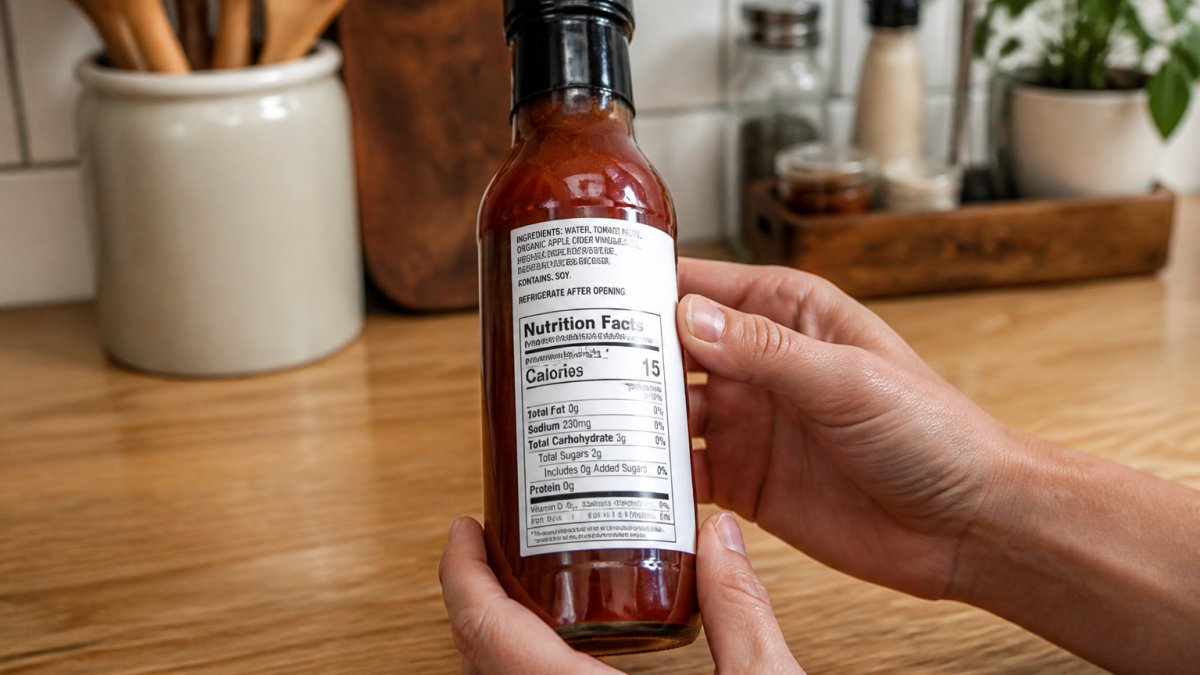
- How to Read Sugar-Free Sauce Labels and Spot Hidden Sweeteners
- Natural Sugar Substitutes for Sauces That Actually Taste Good
- Sugar-Free BBQ Sauce Without Sucralose and Other Synthetics
- Homemade Sugar-Free BBQ Sauce Recipes and Techniques
- Store-Bought Options: Ketchup, Mustard, and Beyond
- Nutrition, Taste, and Dietary Considerations
- Frequently Asked Questions
What Makes a Sauce Truly Sugar-Free Without Artificial Sweeteners
A sugar-free sauce without artificial sweeteners is sweetened with natural ingredients instead of synthetics like sucralose, aspartame, or acesulfame potassium. Many "sugar-free" products still contain artificial sweeteners that some consumers avoid for taste, health, or dietary reasons.

The terms "sugar-free," "no added sugar," and "unsweetened" mean different things legally and nutritionally.
Understanding label claims: sugar-free vs. no-added-sugar vs. unsweetened
Sugar-free means less than 0.5 grams of sugar per serving under FDA rules. It doesn't mean zero sweetness, most sugar-free sauces use sweetening agents to maintain flavor.
No added sugar means no sugar was added during production, but the sauce may contain naturally occurring sugars from ingredients like tomatoes or fruit.
Unsweetened means no sweetening ingredients were added, neither sugar nor sweeteners.
If you're managing blood sugar or carbs, "sugar-free" gives you a regulatory guarantee.
Why artificial sweeteners matter for taste and health
Sucralose (Splenda) and aspartame (NutraSweet) leave an aftertaste many describe as metallic or chemical, and acesulfame potassium (Ace-K) can taste bitter. They also behave differently in cooking: some break down at high heat, others don't dissolve evenly, and some create texture problems.
Some people also avoid synthetic sweeteners to limit processed additives or due to sensitivities. Knowing what's in your sauce lets you make an intentional choice.
How to Read Sugar-Free Sauce Labels and Spot Hidden Sweeteners
The ingredient list is your primary tool: ingredients are listed by weight, so a sweetener appearing early is a major component. The nutrition facts panel gives actual sugar and carb content per serving.
Identifying sucralose, aspartame, and other synthetic sweeteners
Sucralose appears as "Splenda" or "sucralose" and is common in commercial sauces because it's heat-stable and affordable.
Acesulfame potassium (Ace-K) is often blended with other sweeteners to mask its bitter aftertaste. Saccharin is older and less common but still appears in some products.
Synthetic sweeteners often appear near the end of the list because they're used in tiny amounts.
Recognizing natural sweetener options on ingredient lists
Erythritol, monk fruit, and stevia are the most common natural sweeteners in modern sugar-free sauces.
Stevia comes from the stevia plant leaf and is processed into powder or liquid extract. Stevia can taste slightly bitter to some, while erythritol and monk fruit are closer to sugar in taste.
You might also see honey, maple syrup, coconut sugar, or date paste, whole-food sweeteners with their own sugar content.
Natural Sugar Substitutes for Sauces That Actually Taste Good
The challenge with sugar-free sauces isn't finding a sweetener, it's finding one that doesn't compromise flavor, texture, or mouthfeel. Natural sweeteners behave differently in cooking than sugar, and understanding those differences helps you evaluate whether a sauce will work for your meals.
Erythritol, monk fruit, and stevia: how they work in sauces
Erythritol dissolves easily in liquid, making it ideal for smooth sauces. It's about 70% as sweet as sugar, so more is needed, but it leaves little aftertaste for most people.
Monk fruit is 150-200 times sweeter than sugar, so tiny amounts suffice.
Stevia is 200-300 times sweeter than sugar, calorie-free, and has minimal blood sugar impact.
Sugar alcohols and their effects on texture and flavor
Sugar alcohols like erythritol, xylitol, and sorbitol have fewer calories than sugar and don't spike blood glucose, but they affect texture differently.
Xylitol and sorbitol can cause digestive discomfort in large amounts. Erythritol is gentler for most people but still affects some. Check the serving size: a tablespoon might be fine, but half the bottle in one meal could cause issues.
Sugar-Free BBQ Sauce Without Sucralose and Other Synthetics
Barbecue sauce is one of the hardest sauces to make sugar-free without artificial sweeteners. Traditional BBQ sauce relies on sugar for sweetness, caramelization, and a glossy finish, so removing it loses the depth and cooking properties that make it work on grilled meat.
What makes barbecue sauce challenging to formulate sugar-free
BBQ sauce must balance sweet, tangy, smoky, and savory notes. Sugar caramelizes when heated, creating depth and helping the sauce stick to meat.
Many commercial sugar-free BBQ sauces use sucralose or other synthetics because they're cheap and easy to work with. A formula without them requires more skill and better ingredients, which is why truly sugar-free BBQ sauces without artificial sweeteners are less common on shelves.
Comparing taste, texture, and cooking performance across brands
Taste the sauce straight from the jar first. Good ones have depth, smoky, tangy, slightly spicy notes that feel complete; poor ones taste thin or flat, or leave an aftertaste.
Texture matters when cooking. A good BBQ sauce coats meat evenly and caramelizes slightly without burning.
Cooking performance is the real test. Brush the sauce on grilled chicken or ribs: does it stick and glaze, or burn and slide off?
Homemade Sugar-Free BBQ Sauce Recipes and Techniques
Making your own sugar-free BBQ sauce gives you complete control over sweetness, heat, and ingredients, with no artificial sweeteners and exactly the sweetener you prefer.
Base ingredients and sweetener ratios that work
A reliable base starts with tomato paste or ketchup (unsweetened if possible), apple cider vinegar, Worcestershire sauce, spices, and a sweetener.
Use slightly more erythritol than sugar since it's less sweet, and less monk fruit or stevia since they're far more concentrated. For blends, follow the package's sugar-equivalency instructions.
Spices do heavy lifting in sugar-free BBQ sauce.
Common mistakes and how to fix them
Mistake: Not enough spice or acid. Without sugar's richness the sauce tastes flat.
MOB Global Sauce Bundle: Naturally Sugar-Free Sauce Trio →
Mistake: Skipping the cooking time. Fix: simmer the sauce at least 15-20 minutes to let flavors meld and intensify.
Mistake: Using low-quality vinegar or Worcestershire. These are flavor anchors in sugar-free sauce. Fix: invest in good versions, they make a noticeable difference.
Store-Bought Options: Ketchup, Mustard, and Beyond
Not every meal calls for BBQ sauce. Ketchup, mustard, mayonnaise, salsa, hot sauce, and specialty condiments all have sugar-free versions without artificial sweeteners. The quality and availability vary widely.
Tomato-based sauces and cream alternatives
Sugar-free ketchup is common but often uses artificial sweeteners.
Salsa and tomato sauces are naturally lower in sugar than ketchup, so finding versions without added sugar is easier, but check labels anyway since some brands add sweeteners.
Cream-based sauces like mayo, ranch, and hollandaise often contain sugar or artificial sweeteners to balance richness and acid.
Savory condiments for specific diets and allergies
Mustard is naturally low in sugar and doesn't need sweeteners, making it an easy sugar-free choice.
Hot sauce and sriracha vary by brand. Many traditional versions are sugar-free, but newer artisanal brands sometimes add sweetness.
For people avoiding allergens, the challenge isn't finding sugar-free sauces but ones without soy, nuts, gluten, or other triggers.
MOB Sauce offers a naturally sugar-free sauce trio, Spanish Tahini Romesco, Chilean Chimichurri, and Peruvian Verde, formulated without artificial sweeteners, soy oil, or canola oil.
Nutrition, Taste, and Dietary Considerations
Beyond sweeteners, sugar-free sauces vary in calories, carbs, and sodium. Understanding these differences helps you choose sauces that fit your actual dietary goals, not just the "sugar-free" label.
Comparing calories, carbs, and serving sizes across options
A serving size is typically one tablespoon, but some sauces list two, making calorie and carb counts look lower per tablespoon used.
Sauces sweetened with erythritol, monk fruit, or stevia are usually low in carbs since these sweeteners have minimal blood glucose impact.
Calories in sugar-free sauces come from oils, thickeners, and other ingredients, not sugar.
Sodium varies widely.
Vegan, gluten-free, soy-free, and nut-free sauces
Vegan sauces contain no animal products, no anchovies in Worcestershire, no dairy, no eggs.
Gluten-free sauces avoid wheat, barley, and rye.
Soy-free sauces avoid soy sauce, soy lecithin, and other soy derivatives, ruling out many Asian-style condiments unless specifically formulated without soy.
Nut-free sauces avoid tree nuts and peanuts, which matters for people with severe allergies.
Last Updated: October 23, 2026
When shopping for sugar-free sauces without artificial sweeteners, the label is your guide.
The reality: truly sugar-free sauces without artificial sweeteners taste different than conventional versions. For home cooks managing multiple dietary restrictions, vegan, gluten-free, nut-free, finding one sauce that checks all boxes is rare. MOB Sauce's trio does exactly that. Shop All Sauces and experience the difference transparent, quality-focused ingredients make in every bottle.
| Sweetener Type | Sweetness vs. Sugar | Taste Profile | Best For | Carb Impact |
|---|---|---|---|---|
| Erythritol | 70% as sweet | Clean, minimal aftertaste | Sauces needing smooth texture | Minimal |
| Monk Fruit | 150-200x sweeter | Clean, no aftertaste | Sauces where less volume needed | Minimal |
| Stevia | 200-300x sweeter | Slightly bitter/licorice note | Bold-flavored sauces | Minimal |
| Sugar Alcohols (Xylitol, Sorbitol) | Similar to sugar | Clean taste | General use (watch digestion) | Low but present |
| Honey/Maple Syrup | Equal to sugar | Natural, complex | No-added-sugar products | High |
EXTERNAL SOURCES FOR CREDIBILITY:
According to FDA guidance on sugar-free labeling, products labeled "sugar-free" must contain less than 0.5 grams of sugar per serving, providing a regulatory baseline for comparing products.
Research from the American Heart Association on added sugars indicates that reducing added sugars supports cardiovascular health, making sugar-free condiment choices relevant for many dietary goals.
The Gluten-Free Certification Organization standards verify that certified products meet strict gluten-free requirements, a critical assurance for people with celiac disease or gluten sensitivity.
Frequently Asked Questions
What is the best sugar-free sauce without artificial sweeteners?
The best choice depends on your dietary needs and flavor preferences. Look for sauces sweetened with erythritol, monk fruit, or stevia rather than sucralose or aspartame. Check that the ingredient list contains whole foods you recognize. MOB Sauce's Global Sauce Bundle offers three naturally sugar-free options (Spanish Tahini Romesco, Chilean Chimichurri, and Peruvian Verde) made with plant-based ingredients, no artificial sweeteners, and certified gluten-free and nut-free. Read the nutrition label to confirm carbs and serving size match your dietary goals.
How can you tell whether a sugar-free sauce contains artificial sweeteners?
Check the ingredient list for synthetic sweeteners like sucralose, aspartame, saccharin, or acesulfame potassium (Ace-K). These are always listed by name. Natural sweeteners like erythritol, xylitol, stevia, and monk fruit are also listed but are plant-derived, not synthetic. If the label says 'sugar-free' but doesn't list any sweetener, the sauce may rely on other flavors (vinegar, spices, salt) for taste. Always read the full ingredient list, not just the nutrition facts panel.
What can I use instead of sugar in homemade sauce?
Erythritol and monk fruit are popular sugar replacements that don't leave an aftertaste for most people. Stevia works but can taste bitter in high amounts. Sugar alcohols like xylitol add sweetness and texture but may cause digestive upset in large quantities. Start with a 1:1 ratio of erythritol to sugar and adjust to taste. For barbecue sauce, combine a natural sweetener with acidic ingredients (vinegar, tomato) and spices (paprika, garlic, cayenne) to build depth without relying solely on sweetness. Test small batches before making large quantities.
Are sauces sweetened with stevia or monk fruit considered artificial?
No. Stevia and monk fruit are natural sweeteners derived from plants, not synthetic chemicals. Stevia comes from the stevia plant leaf, and monk fruit extract comes from the luo han guo fruit. Both are considered 'clean label' ingredients by health-conscious consumers. However, some people detect a slight aftertaste, especially with stevia. Monk fruit tends to have a cleaner taste profile. Neither has the digestive effects sometimes associated with sugar alcohols, making them good options for sensitive stomachs.
Can a sauce be sugar-free and still taste sweet?
Yes. Modern natural sweeteners like erythritol and monk fruit provide sweetness comparable to sugar. The key is balancing sweetness with other flavors: vinegar adds tang, spices add depth, and salt enhances overall taste perception. Well-formulated sugar-free sauces taste full-bodied, not watered down or artificial. Poorly made versions rely too heavily on sweetener and lack complexity. Look for sauces with multiple flavor layers (tomato, garlic, herbs, acid) rather than those listing sweetener as a primary ingredient.
What sauce options work for multiple dietary restrictions at once?
Plant-based, gluten-free, nut-free sauces are increasingly common. MOB Sauce's sugar-free trio is certified gluten-free, nut-free, vegan, and canola-oil-free, making it suitable for families with multiple restrictions. When shopping, check for certifications (Gluten-Free Food Program, vegan logos) rather than relying on marketing claims alone. Read the full ingredient list to confirm absence of soy, sesame, or other allergens specific to your family. Small-batch producers often accommodate multiple restrictions better than mass-market brands because they control every ingredient.
How long do sugar-free sauces last after opening?
Shelf life depends on ingredients and preservatives. Sauces with vinegar, salt, and natural preservatives (like xanthan gum) typically last 1-2 months refrigerated. Check the label for 'use within X days of opening' guidance. Sauces with minimal or no preservatives may have shorter shelf life but offer cleaner labels. Store opened bottles in the refrigerator, not the pantry. If a sauce smells off or shows mold, discard it. Homemade sugar-free sauces without commercial preservatives should be used within 1-2 weeks.
